The Power of Digital Marketing in Today’s Business World
In today’s fast-paced digital landscape, businesses are no longer competing only through products or services—they are competing through visibility, trust, and online influence. The internet has transformed how customers discover, interact with, and engage with brands. As a result, digital marketing has become one of the most powerful tools for business growth, helping companies connect with their target audience more effectively than ever before.
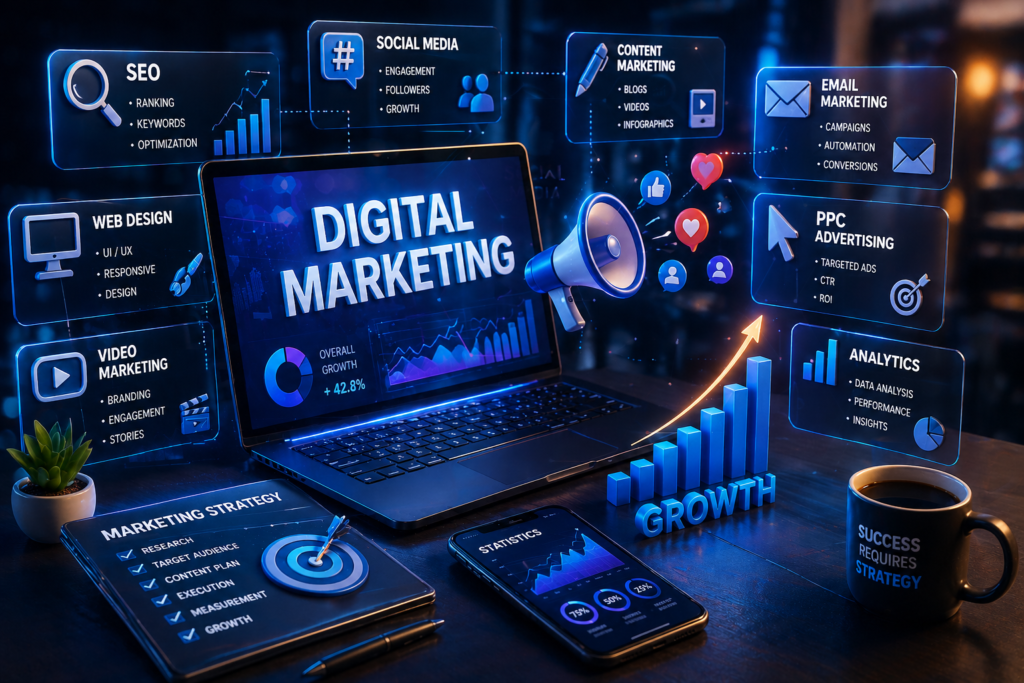
Digital marketing is not simply about running advertisements or posting content on social media platforms. It is a strategic process that combines creativity, technology, and data to build meaningful customer relationships. Businesses today rely on various digital marketing techniques such as Search Engine Optimization (SEO), social media marketing, content creation, email campaigns, paid advertising, and analytics to strengthen their online presence and generate long-term results.
One of the most important aspects of digital marketing is Search Engine Optimization (SEO). SEO helps websites rank higher on search engines like Google, making it easier for potential customers to find businesses online. A well-optimized website increases visibility, attracts organic traffic, and builds credibility. When users consistently see a brand appearing in search results, it creates trust and authority in the market. SEO is not just about keywords—it also includes website performance, mobile responsiveness, user experience, and high-quality content.
A professional website acts as the foundation of every successful digital marketing strategy. Platforms like WordPress have made it easier for businesses to create responsive, user-friendly, and visually appealing websites. A strong website represents the identity of a brand and gives customers a place to learn more about products, services, and values. When combined with effective SEO strategies, a website becomes a powerful marketing asset that works 24/7 to attract and convert visitors.
Content marketing is another key pillar of digital success. In the modern digital world, customers value information more than aggressive selling. Businesses that provide useful, engaging, and informative content can build stronger connections with their audience. Blogs, videos, infographics, social media posts, and case studies help brands educate customers while also increasing engagement. Quality content positions a business as an industry expert and encourages users to trust the brand over competitors.
Social media marketing has also changed the way businesses communicate with people. Platforms such as Instagram, Facebook, LinkedIn, and YouTube allow brands to interact directly with their audience in real time. Social media is not only a place for promotion—it is a space for storytelling, customer engagement, and community building. Businesses that maintain a consistent and authentic social media presence often build stronger relationships with customers and improve brand loyalty.
Paid advertising is another powerful component of digital marketing. Through platforms like Google Ads and Meta Ads, businesses can target specific audiences based on demographics, interests, location, and online behavior. This level of precision allows brands to reach the right people at the right time. Unlike traditional marketing methods, digital advertising provides measurable results, helping businesses understand exactly how their campaigns are performing.
Data analytics has become one of the most valuable advantages of digital marketing. Tools like Google Analytics provide detailed insights into customer behavior, website traffic, user engagement, and conversion rates. Marketers can track which strategies are working and which need improvement. This data-driven approach helps businesses make smarter decisions, reduce wasted spending, and optimize campaigns for better performance and higher return on investment.
Another major advantage of digital marketing is cost-effectiveness. Traditional advertising methods such as television, newspapers, and billboards often require large budgets with limited tracking capabilities. Digital marketing, on the other hand, offers affordable solutions for businesses of all sizes. Even small startups can compete with larger brands by using the right online strategies and targeting the correct audience.
In today’s competitive environment, branding plays a critical role in digital marketing success. Customers are more likely to connect with brands that are authentic, consistent, and visually appealing. A strong brand identity combined with effective marketing strategies helps businesses create memorable impressions. From logo design and website aesthetics to tone of voice and content style, every detail contributes to how customers perceive a brand online.
Email marketing also remains an important part of digital marketing. Personalized email campaigns allow businesses to communicate directly with customers, share updates, promote offers, and nurture long-term relationships. When done correctly, email marketing can improve customer retention and encourage repeat business.
The future of business is digital, and companies that adapt to this transformation will continue to grow and succeed. Consumer behavior is constantly evolving, and businesses must stay updated with the latest trends, technologies, and marketing strategies. Artificial intelligence, automation, video marketing, and voice search are already shaping the next generation of digital experiences.
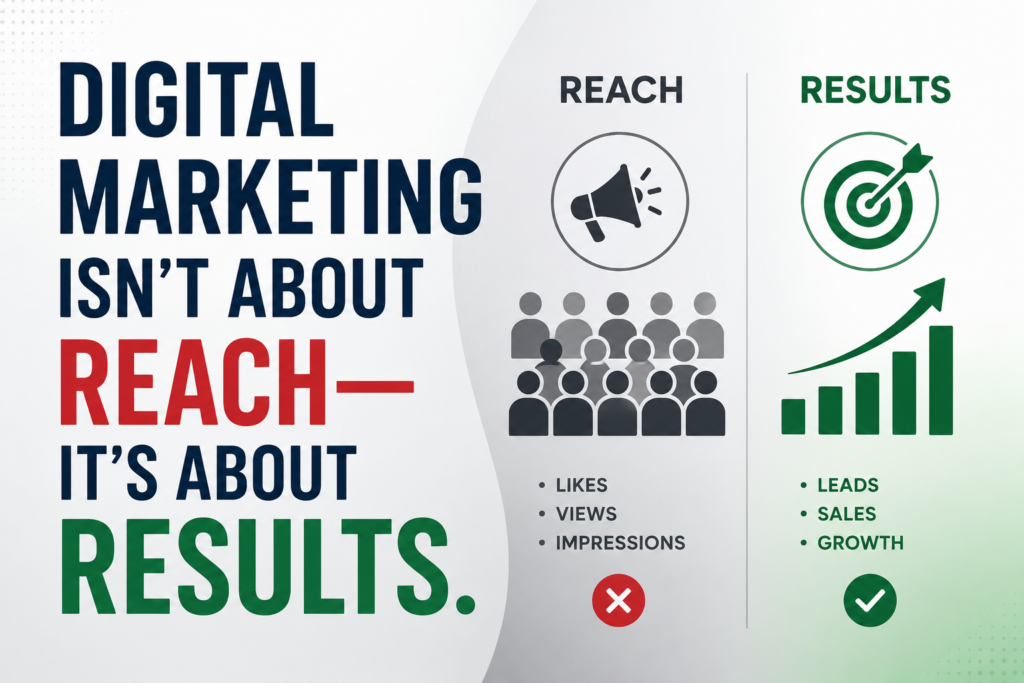
Ultimately, digital marketing is about more than gaining traffic or increasing followers. It is about creating value, building trust, and delivering meaningful experiences that connect brands with people. Businesses that focus on authenticity, consistency, and customer satisfaction can build a strong online presence that drives long-term success.
In a world where attention spans are short and competition is high, digital marketing provides businesses with the opportunity to stand out, remain relevant, and create lasting impressions. It is not just a marketing tool—it is the driving force behind modern business growth and digital transformation.
Conclusion
Digital marketing is no longer optional—it is essential. Businesses that invest in strong digital strategies today are the ones that will lead tomorrow. Whether it’s through SEO, content creation, or performance marketing, the goal remains the same: to build trust, deliver value, and drive sustainable growth. HOME